Why WhatsApp Outperforms Email and SMS for E-Commerce
Open and Engagement Rates

WhatsApp: 90–98% message open rate; most messages read within minutes
Email: 15–25% average open rate
SMS: 70–80%, but limited to short, impersonal messages
Unlike email, which gets buried in crowded inboxes, WhatsApp lives on your customer’s phone, creating an immediate, personal, and interactive touchpoint.
Personalization and Conversational Commerce
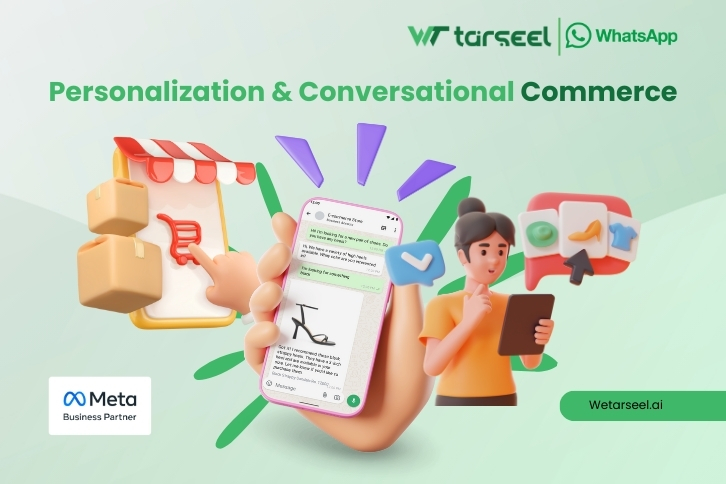
WhatsApp allows brands to create one-to-one conversations at scale, combining automation with human touch. Customers can:
Ask questions before buying
Get personalized recommendations
Receive post-purchase updates and support
This type of interaction reduces friction, builds trust, and encourages higher conversion and retention compared to traditional marketing channels.
How E-Commerce Brands Drive Sales with WhatsApp
a) Cart Recovery
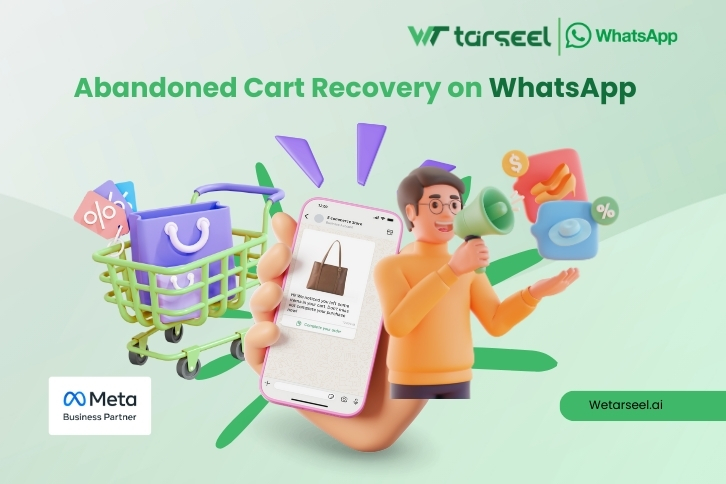
Logic: Most abandoned carts are lost because customers need a small nudge or reassurance.
Strategy: Send automated, timely WhatsApp reminders, optionally offering:
Stock alerts (“Hurry! Only 3 items left in your cart”)
Limited-time discounts
Quick responses to FAQs
Result: Brands report 20–30% higher recovery rates on WhatsApp than email.
b) Product Recommendations & Cross-Sell
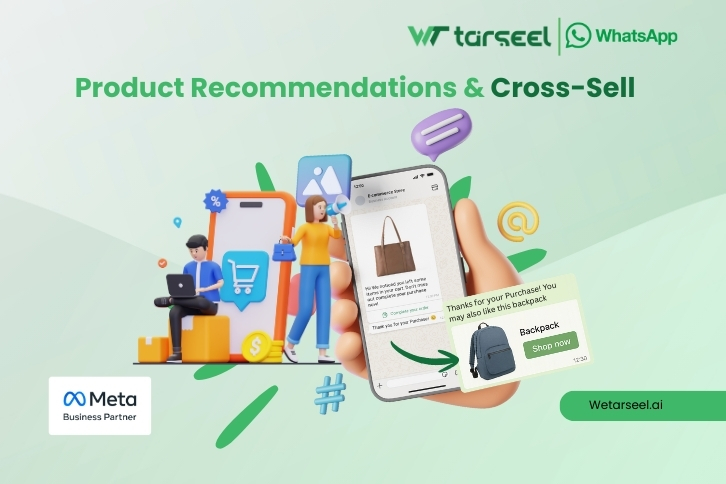
Logic: WhatsApp can mimic in-store upselling. Customers trust real-time, contextual suggestions.
Example Flow:
Customer buys a skincare product
Automated WhatsApp message: “Since you liked [product], you might love [related product]. Can I help you order it?”
Quick order via WhatsApp link
This not only increases average order value (AOV) but also builds a personalized shopping experience.
c) Replenishment Reminders
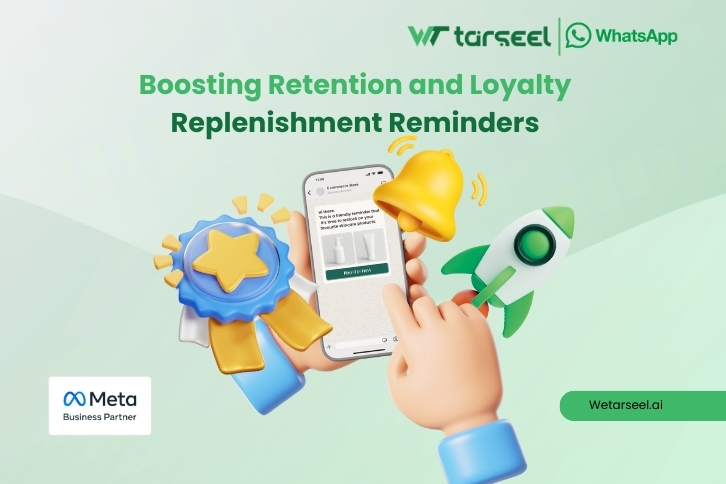
Consumable products (skincare, supplements, groceries) benefit from timed WhatsApp nudges.
Logic: Customers often reorder automatically, reminders prevent churn
Result: Higher repeat purchase rate and improved customer lifetime value (CLV)
d) Customer Support & Feedback
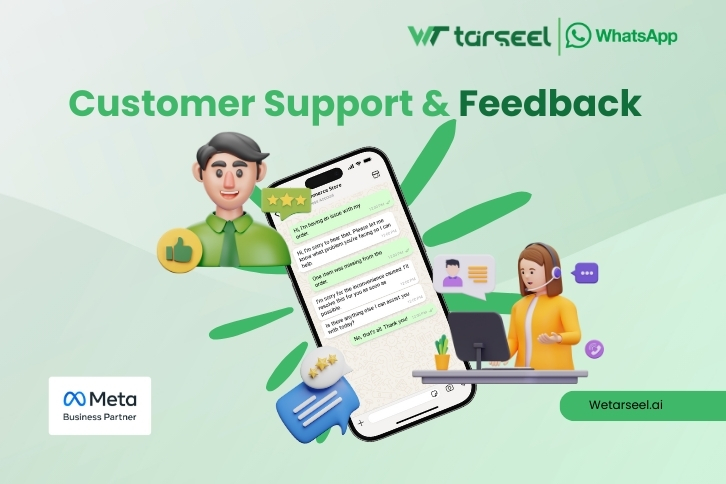
Brands can resolve issues faster and proactively prevent negative reviews
Automated post-purchase follow-ups asking for reviews increase brand trust
Insight: Customers feel valued when support is fast, human, and convenient—and WhatsApp allows that at scale.
Best Practices for WhatsApp Marketing
Segment Your Audience: Not all customers respond to the same message. Segment by purchase history, location, or engagement.
Keep Messages Conversational: Avoid sounding like spam; use friendly, human tone.
Automate Wisely: Use bots for FAQs and initial prompts, but provide quick access to human agents.
Comply With Policies: Always use WhatsApp Business API and get explicit consent before messaging.
The Reason Behind WhatsApp’s Success
Every high-performing WhatsApp flow works because it satisfies three psychological triggers:
Immediacy: Messages are read almost instantly
Personalization: Customers feel uniquely addressed
Frictionless Action: Quick CTA links, buttons, and automated replies reduce barriers to purchase
By integrating these triggers with automated workflows, human touch, and data-driven segmentation, brands convert casual buyers into loyal customers while maximizing revenue per user.
Conclusion
WhatsApp is no longer optional, it’s a strategic growth lever for e-commerce brands. When executed thoughtfully:
It recovers lost sales
Boosts average order value
Strengthens retention and loyalty
The key is designing flows that feel personal, human, and actionable. Done right, WhatsApp isn’t just an app, it’s a profit center on your customer’s phone.